Aircraft Categories - From the Wright Bros to Future Flight
Aerospace | Flight | Aviation
Since the days of World War 1 over a century ago, airpower has remained a primary component of war.
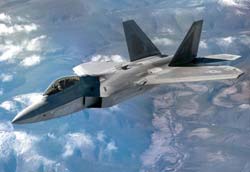
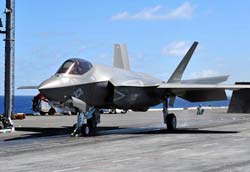
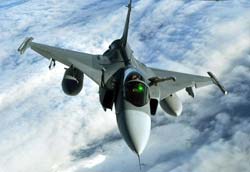
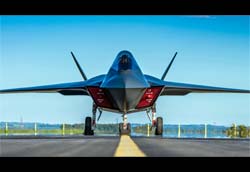
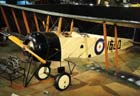
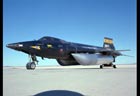
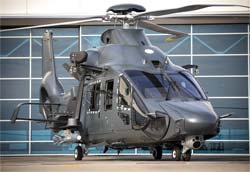
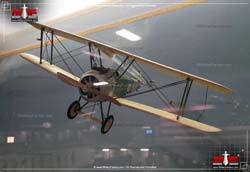
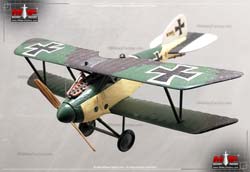
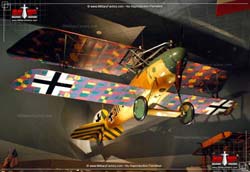
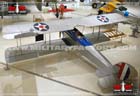
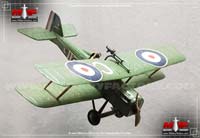
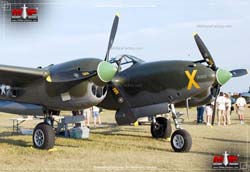
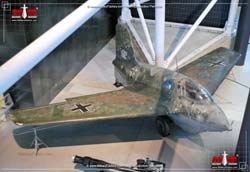
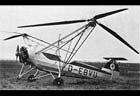
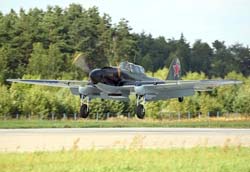
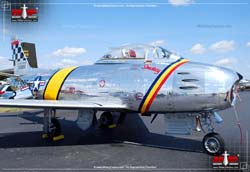
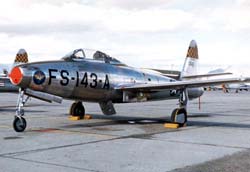
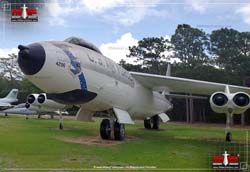
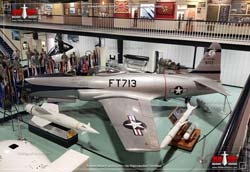
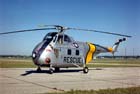
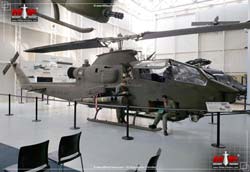
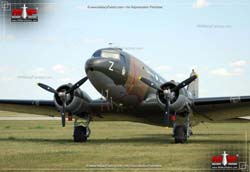
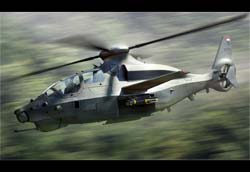
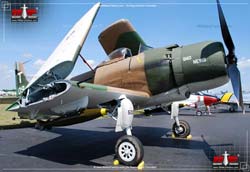
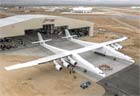
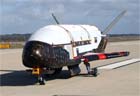
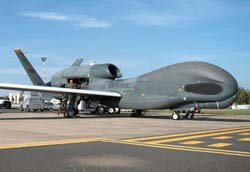
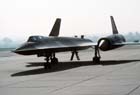
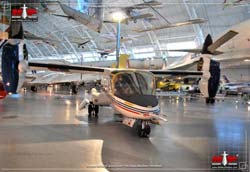
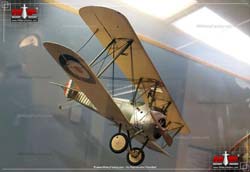
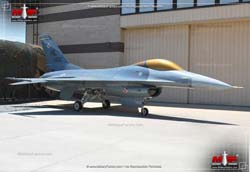
Long the 'Knights of the Sky', military aircraft received their baptism of fire during World War 1 (1914-1918), a war which saw a continuous evolution of the species into evermore lethal fighting machines - fighters, bombers, raiders, interceptors, and the like. Far from hitting their ceiling, the aircraft continues to evolve along multiple avenues, culminating in the modern pilot-less weapons-laden drones of today - ushering in the age of unmanned flight. The next few decades will see continued growth in the field, with stealth technologies developed further and more optimistic unmanned vehicle ventures sure to follow. Our Military and General Aviation section currently boasts over 2,300 individual entries covering fixed-wing aircraft, drones, helicopters, and related prototypes from the early days of flight to those that may be encountered over the future battlefield.
NOTE: Material presented throughout this website is for historical and entertainment value and should not to be construed as usable for hardware restoration, maintenance or general operation. Please consult manufacturers for such information.
The "Military Factory" name and MilitaryFactory.com logo are registered ® U.S. trademarks protected by all applicable domestic and international intellectual property laws. All written content, illustrations, and photography are unique to this website (unless where indicated) and not for reuse/reproduction in any form. Material presented throughout this website is for historical and entertainment value only and should not to be construed as usable for hardware restoration, maintenance, or general operation. We do not sell any of the items showcased on this site. Please direct all other inquiries to militaryfactory AT gmail.com. No A.I. was used in the generation of this content.